
Why Specialty Gas Regulators Need Precise Flow Control
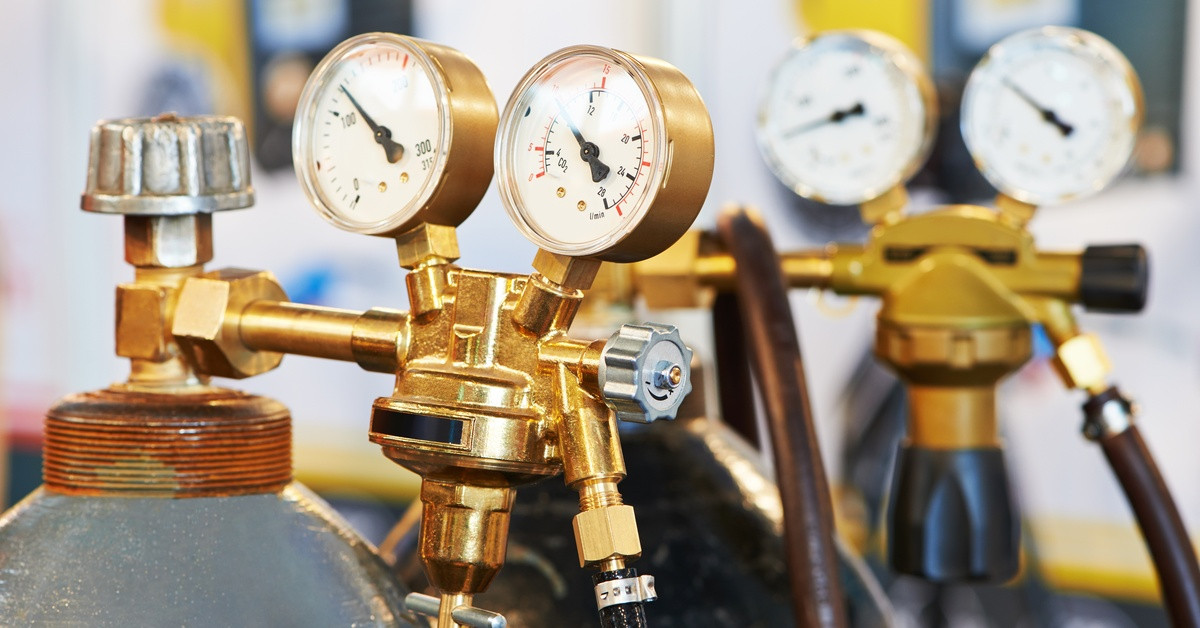
Specialty gas regulators perform the critical function of reducing high-pressure gases from cylinders to lower, usable pressures. These devices are essential in applications where gas purity and stable delivery pressure are paramount. Unlike standard regulators, specialty gas regulators can handle highly pure, often corrosive or reactive gases, making their construction and operational precision vital for safety and accuracy.
The Importance of Precise Flow Control
Precise flow control is fundamental to the function of a specialty gas regulator. Many applications, from laboratory research to industrial manufacturing, depend on a consistent and accurate supply of gas. Fluctuations in flow can compromise experimental results, affect product quality, and create hazardous conditions. A scientific gas regulator must maintain a stable output pressure even as the inlet pressure from the cylinder decreases. This stability prevents pressure drops or surges that could otherwise disrupt sensitive processes. By providing precise flow rates, these regulators enable repeatable, reliable operation, which is crucial for achieving consistent outcomes.
Material Selection in Regulator Design
The material used to construct a gas regulator directly affects its performance and longevity, especially when handling different types of specialty gases. For non-corrosive gases, brass is a common and effective material. Some brass regulators feature chrome plating, which offers added protection against corrosive ambient environments, such as those found in chemical plants. For mildly corrosive gases, 316L stainless steel bodies are ideal due to their superior corrosion resistance. For highly corrosive or reactive gases, more exotic materials like Monel or Hastelloy may be necessary to maintain the integrity of both the regulator and the gas stream.
Types of Specialty Gas Regulators
Different applications require different types of regulators. A single-stage regulator adjusts the cylinder pressure directly to the desired delivery pressure in a single operation. While effective, its delivery pressure may increase as the cylinder pressure falls. A dual-stage regulator reduces pressure in two steps, providing a more constant delivery pressure as the cylinder empties. This reduction makes dual-stage models ideal for applications requiring uninterrupted pressure stability. Other models include demand flow regulators, which supply gas only when a downstream instrument, like a gas detector, requires it.
The Core Benefit of Precision
Ultimately, precise flow control in specialty gas regulators delivers safety, accuracy, and efficiency. It protects sensitive equipment from pressure damage, supports the integrity of analytical measurements, and minimizes gas waste. For any process that relies on specialty gases, selecting a high-quality regulator with precise control is a foundational step toward achieving operational excellence and dependable results.