
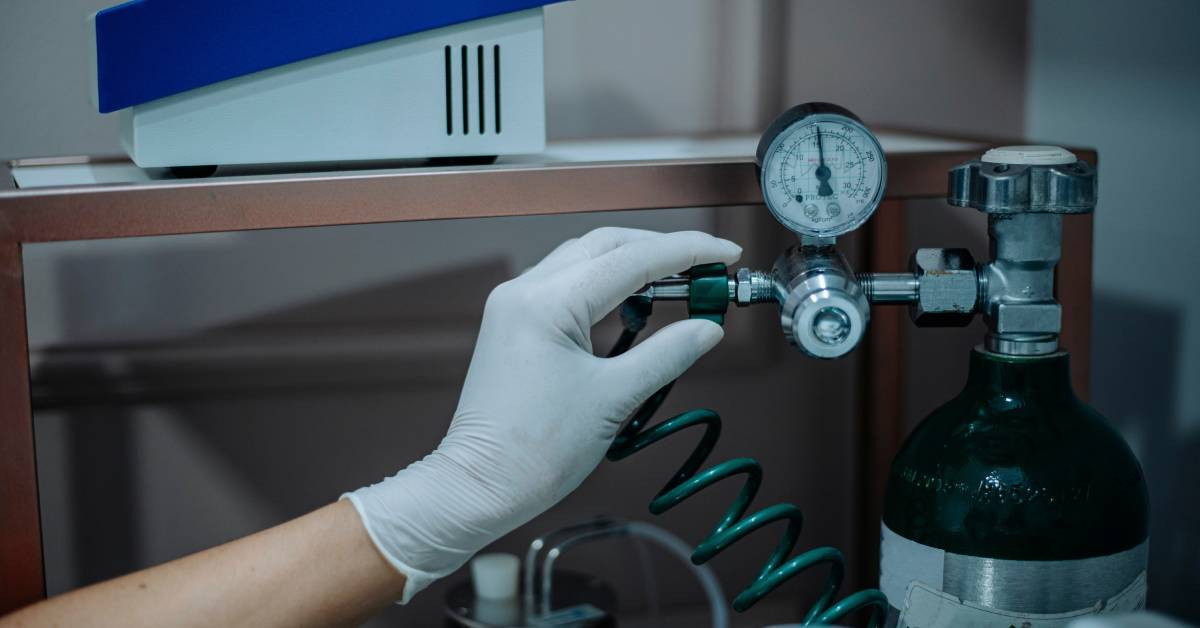
Understanding Creep in Scientific-Grade Gas Regulators
Scientific work depends on steady gas control. When pressure shifts without a clear adjustment from the user, even a small change can affect instrument response, sample handling, or calibration accuracy. That slow rise in outlet pressure has a name. Technicians call it creep.
Creep doesn’t always create an obvious problem right away. A regulator may appear stable at first, then slowly allow pressure to climb after flow stops. In scientific environments, that small change can disrupt repeatability and make troubleshooting harder than it needs to be. Continue reading to better understand creep in scientific-grade gas regulators.
What Creep Means
Creep occurs when gas continues to pass through the regulator seat after the regulator should have settled. Outlet pressure rises because the sealing surface doesn’t close with the precision required by the application. Lab gas regulators need tight internal control because many instruments depend on consistent delivery pressure.
Several factors can cause creep. A worn seat can lose its seal. Particles can interfere with the seating surface. Chemical incompatibility can damage internal components. A regulator that doesn’t match the gas service can also develop pressure instability more quickly.
Why Scientific Applications Need Stability
Scientific-grade systems often work with sensitive instruments, small flow rates, and specific gas blends. A regulator that creeps can change the pressure reaching the analyzer or gas delivery line. That change can affect calibration checks, sample consistency, and daily workflow.
Lab gas regulators play a direct role in keeping those systems predictable. The right regulator helps control pressure without adding unnecessary variability. The wrong regulator can force technicians to chase issues that appear to come from the instrument, cylinder, or gas mixture.
Creep can also create safety and handling concerns. Rising outlet pressure can stress downstream components if the system lacks adequate relief protection. Operators should monitor pressure after shutoff, especially when connecting a new regulator or placing a regulator in critical service.
How To Reduce Creep Risk
Good regulator selection starts with the gas, pressure range, flow requirements, and connection type. Materials must match the gas service, especially for corrosive or reactive gases. Seat design and internal cleanliness also warrant attention because contamination can compromise sealing performance.
Routine checks help teams spot creep early. A technician can pressurize the system, shut off the flow, and monitor the outlet gauge for an unwanted pressure rise. If the pressure continues to climb, the regulator needs inspection or replacement before it supports critical work.
High-quality lab gas regulators don’t remove every possible issue, but they give technicians better control from the start. They also support more consistent performance when teams use specialty gases, calibration gases, or instrument-grade pure gases.
Reliable Control Starts With the Right Partner
Understanding creep in scientific-grade gas regulators helps teams see why small pressure changes deserve attention. Stable gas delivery supports cleaner measurements, smoother calibration routines, and fewer avoidable interruptions.
MESA Specialty Gas helps customers match specialty gases, calibration gas standards, and gas supply equipment to demanding applications. When your process depends on steady pressure and dependable gas performance, the right support can make every cylinder connection more reliable.