
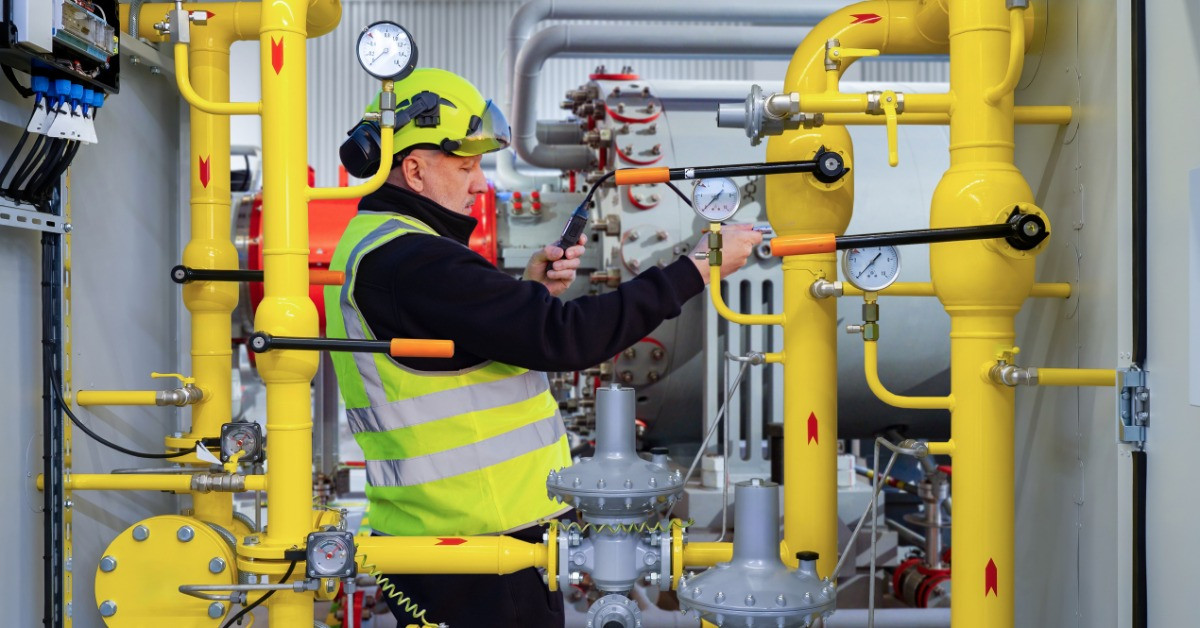
The Role of Carrier Gases in Custom Mixture Performance
A calibration gas mixture depends on more than the target components in the cylinder. The carrier gas also shapes how the mixture performs in real-world use.
The carrier gas fills the balance of the cylinder and creates the environment that holds each component. That may sound simple, but carrier gas selection affects stability, compatibility, response time, and long-term reliability. When a gas monitor, analyzer, or instrument needs a dependable reference point, the carrier gas plays a direct role in the result of the custom mixture performance.
Why Carrier Gas Choice Counts
Different applications call for different carrier gases. Nitrogen, air, methane, helium, and other gases can all serve as carriers, depending on the components and the instrument.
A well-matched carrier gas supports the target concentration without causing unwanted reactions. A poor match can shorten shelf life, interfere with readings, or cause performance issues during calibration. For example, some reactive components require a carrier gas that limits chemical interaction. Other applications require a carrier gas that closely matches the sample stream.
That’s why custom calibration gas mixtures need more than a recipe. Each mixture requires careful planning for how every component behaves inside the cylinder.
Stability Starts in the Cylinder
Gas mixtures need to stay consistent from the first use to the final drawdown. Carrier gas selection helps protect that consistency.
When a supplier builds custom calibration gas mixtures, the team must consider pressure, cylinder treatment, component reactivity, and the carrier gas. These details work together. A stable carrier gas can help reduce drift, support accurate concentrations, and give technicians more confidence during routine calibration.
The right carrier gas also helps instruments respond in a predictable way. If the carrier gas doesn’t match the application, the instrument may respond differently than expected, even when the target component concentration looks correct on paper.
Fit the Gas to the Application
Refinery, petrochemical, environmental, natural gas, and gas detection applications often need different mixture designs. A gas detector calibration may need a simple balance gas, while a process analyzer may need a more application-specific blend.
Custom calibration gas mixtures allow teams to match the mixture to the instrument, operating conditions, and testing goal. The carrier gas supports that match. It helps the mixture behave like the environment the instrument will measure.
That level of fit can reduce calibration headaches, limit repeat testing, and support cleaner measurement practices.
Better Mixtures Start With Better Planning
Carrier gases influence how the full custom mixture performs, how long it remains reliable, and how well the instrument responds during calibration. MESA Specialty Gas helps customers choose and build calibration gas standards that fit specific applications, not generic assumptions. With the right carrier gas and the right mixture design, custom calibration gas mixtures can deliver dependable performance from the cylinder to the instrument.