
The Pros of Disposable Calibration Gas Canisters
In industrial and laboratory settings, precision isn’t just a goal—it’s a requirement. Whether you monitor air quality in a confined space or calibrate sensitive analytical instruments in a lab, the accuracy of your readings depends directly on the quality of your reference material. This quality is where MESA Specialty Gases steps in, offering versatile solutions that prioritize accuracy and efficiency.
While large, refillable cylinders have their place in high-volume applications, disposable canisters are rapidly becoming the preferred choice for specific needs. Understanding the advantages of disposable calibration gas canisters can help you streamline operations without compromising data integrity.
What Are Disposable Calibration Gas Canisters?
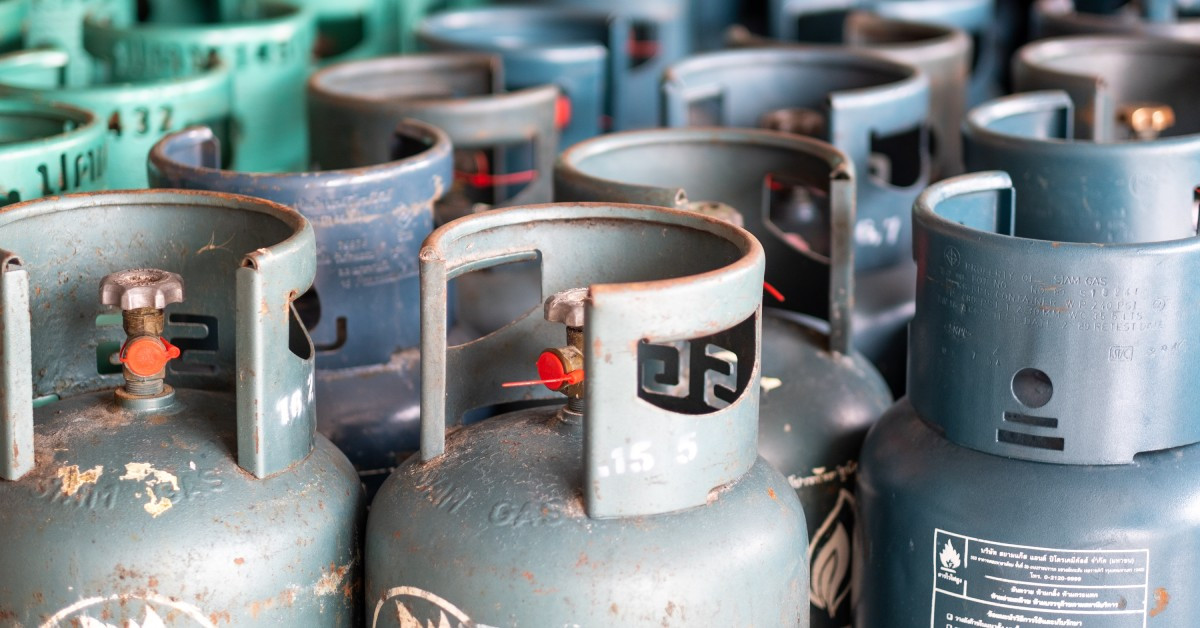
Disposable calibration gas canisters are compact, non-refillable cylinders designed for portability and ease of use. These units typically hold smaller volumes of gas compared to their refillable counterparts, making them ideal for field work, bump testing, and situations where mobility is key. Despite their smaller size, manufacturers produce these canisters under strict quality controls, often adhering to standards traceable to the National Institute of Standards and Technology (NIST).
The Key Advantages
Portability and Convenience
The most immediate benefit of disposable canisters is their size. If you conduct industrial hygiene monitoring across a sprawling facility or perform field maintenance on remote sensors, carrying a heavy, high-pressure cylinder is impractical. Disposable units fit easily into a carrying case or tool bag, allowing you to bring the calibration gas directly to the instrument. This mobility simplifies the workflow for technicians who need to verify equipment accuracy on the go.
Cost-Effectiveness
For facilities that only require occasional instrument verification, purchasing a large refillable cylinder can be overkill. Large cylinders often incur rental fees if you keep them for extended periods. Disposable canisters eliminate these rental costs. You buy the cylinder, use the gas, and recycle the container when empty. This model offers significant savings for low-volume users or projects with a defined end date.
Ease of Use and Reduced Maintenance
Disposable cylinders generally use simple, user-friendly regulators, such as the Series 100 or Series 1000 single-stage regulators. Because you do not return these cylinders for refilling, you avoid the logistical headache of managing return shipping and tracking cylinder inventory. Once depleting the gas, you simply follow proper disposal protocols, freeing up storage space and administrative time.
MESA’s Commitment to Quality
At MESA Specialty Gases, we apply the same rigorous manufacturing standards to our disposable units as we do to our larger systems. Our process begins with component compatibility analysis and computer modeling of gas phase behavior. We then verify the final composition of every standard using advanced analytical equipment, including gas chromatography (GC) and FTIR. This meticulous approach ensures your disposable canister delivers the precise mixture needed for reliable calibration.
Custom Solutions for Specific Needs
Sometimes, a standard off-the-shelf mixture doesn’t fit the unique parameters of your application. We can engineer custom gas formulations packaged in small, portable cylinders tailored to your specific operational requirements. Whether you need a unique blend for research or a specific mixture for a niche industrial application, we collaborate with you from product development through supply.
Next Steps for Your Gas Needs
Disposable calibration gas canisters offer many benefits, including precision, portability, and cost-effectiveness, making them suitable for a wide range of industrial and scientific applications. By choosing the right vessel for your specific needs, you maintain the highest safety and accuracy standards while optimizing your operational budget.