
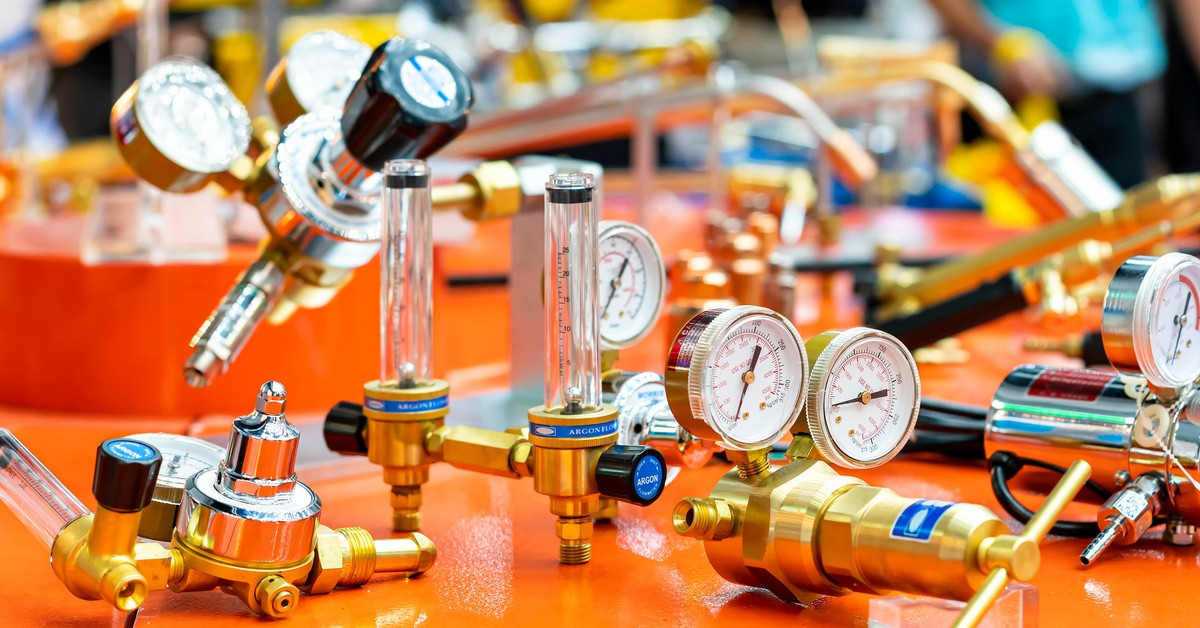
Selecting a Regulator for Corrosive Pyrophoric Gases
Corrosive and pyrophoric gases leave no room for casual equipment choices. These gases can attack internal surfaces, ignite when they contact air, and create serious handling risks when a system uses inappropriate materials or has poor flow control. A regulator does more than reduce pressure. It safeguards process stability, enhances operator safety, and ensures consistent gas delivery from cylinder to point of use.
When buyers compare options, they need to consider more than just price and basic fit. A regulator must match the gas, the application, and the operating environment. That choice impacts performance every day the system operates. This blog will help you select a regulator for corrosive pyrophoric gases.
Start With Gas Compatibility
Material compatibility should lead the selection process. Corrosive gases can damage brass and other common components, so many applications call for stainless steel construction and carefully chosen internal seals. Pyrophoric gases raise the stakes even more because they can ignite if a leak develops or if outside contamination enters the system.
A calibration gas regulator may work well for many standard applications, but corrosive or pyrophoric service often demands a more specialized design. Buyers should review wetted materials, seat materials, diaphragm construction, and leak integrity before they choose a model. Small differences in construction can change how the regulator performs over time.
Focus on Purity and Leak Control
These gas applications require secure shut off and strong leak resistance. Even a small leak can cause serious problems if a gas reacts violently or ignites in the air. That’s why many users prefer regulators with high-quality diaphragm seals and precisely machined connections.
A calibration gas regulator for demanding service should also support system purity. Internal contamination can affect readings, damage instruments, and create unstable flow conditions. Clean assembly and proper packaging are important because they help preserve regulator performance before installation even begins.
Match the Regulator to the Job
Pressure range, flow needs, and connection type all influence the final choice. A regulator that handles the wrong inlet pressure or provides poor control at low flow can lead to inconsistent results. Users should also consider whether the regulator will serve an analyzer, a calibration setup, or a continuous process line. Each application demands different levels of pressure control and responsiveness.
A calibration gas regulator ensures accurate delivery if its specifications match the application. Buyers should also consider whether they need a single-stage or dual-stage design. For many critical applications, dual-stage regulators deliver more consistent outlet pressure as cylinder pressure drops.
Make Reliability a Long-Term Priority
The best regulator choice for corrosive pyrophoric gases ensures safe handling and reliable performance from the first use through multiple cylinder changes. Teams working with corrosive or pyrophoric gases need equipment that performs well under real operating conditions, not just on a spec sheet.
That’s where experience makes a difference. MESA Specialty Gas offers specialty gas products and equipment for customers who require reliable performance and expert support in complex applications. For operations needing the right calibration gas regulator and proper guidance, MESA Specialty Gas can help match the regulator to the gas, the system, and the specific requirements of the job.