
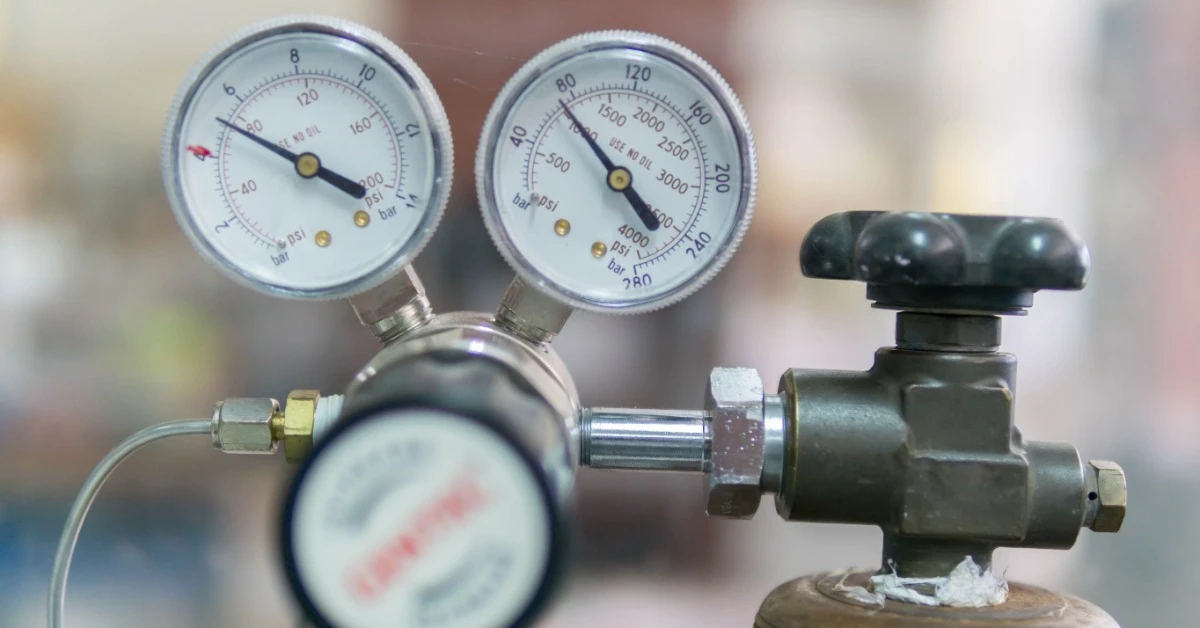
Maintaining Purity With Specialty Gas Regulators
A gas cylinder can leave the supplier with the correct composition yet still deliver disappointing results at the instrument. The journey from the cylinder outlet to the analyzer gives contamination a chance to creep in. The regulator sits at a critical point along that path, so thoughtful selection and daily care can make a real difference. Continue reading to discover how to maintain purity with specialty gas regulators.
Match the Materials
Specialty gas regulators do more than reduce cylinder pressure. Their internal surfaces contact the gas, so an incompatible body or seal may react with the mixture. Before choosing a model, compare the gas composition with the regulator’s wetted materials and pressure ratings.
Brass often suits noncorrosive gases, while some reactive mixtures require stainless steel or another compatible material. The correct choice depends on the gas, not just the regulator’s price. If you’re uncertain, consult the manufacturer’s compatibility guidance.
Make Clean Connections
Purity can slip away during a routine cylinder change. Dust on a fitting or moisture near an open inlet can enter the delivery system. Keep protective caps in place until installation, and use clean tools when connecting the regulator.
Take a moment to inspect the cylinder outlet and mating surfaces. If you notice visible damage, follow the equipment manufacturer’s instructions before proceeding. Don’t apply lubricants or sealants unless the manufacturer expressly approves them for that gas service.
Purge With Purpose
When you disconnect a cylinder, traces of gas can linger in the regulator and supply line. Ambient air can also enter exposed connections. An approved purge procedure helps clear those remnants before you introduce the next mixture.
Use the purge method and purge gas that fit your system. Reactive mixtures may require specialized procedures, so follow the equipment manufacturer’s instructions rather than a one-size-fits-all routine. Specialty gas regulators work best when operators pair proper design with careful changeovers.
Monitor for Warning Signs
Over time, seals can wear, and connections can loosen. Watch for pressure behavior that departs from normal operation, and perform leak checks according to your site’s procedures. If you detect a problem, isolate and depressurize the system safely before arranging an inspection.
Keep each regulator dedicated to its approved gas service whenever possible. Switching between mixtures can leave residual gas inside the regulator, which raises the risk of cross-contamination. Clear labeling helps your team avoid mix-ups.
Keep Purity in the Picture
High-quality gas deserves an equally thoughtful delivery setup. Specialty gas regulators help maintain purity when you choose compatible materials and handle cylinder changes carefully. Those habits reduce the risk of contamination before the gas reaches your instrument.
Mesa Specialty Gas offers specialty gas regulators and calibration gas standards for a range of applications. Explore the available options or contact the team to discuss gas compatibility and find equipment that suits your process.