
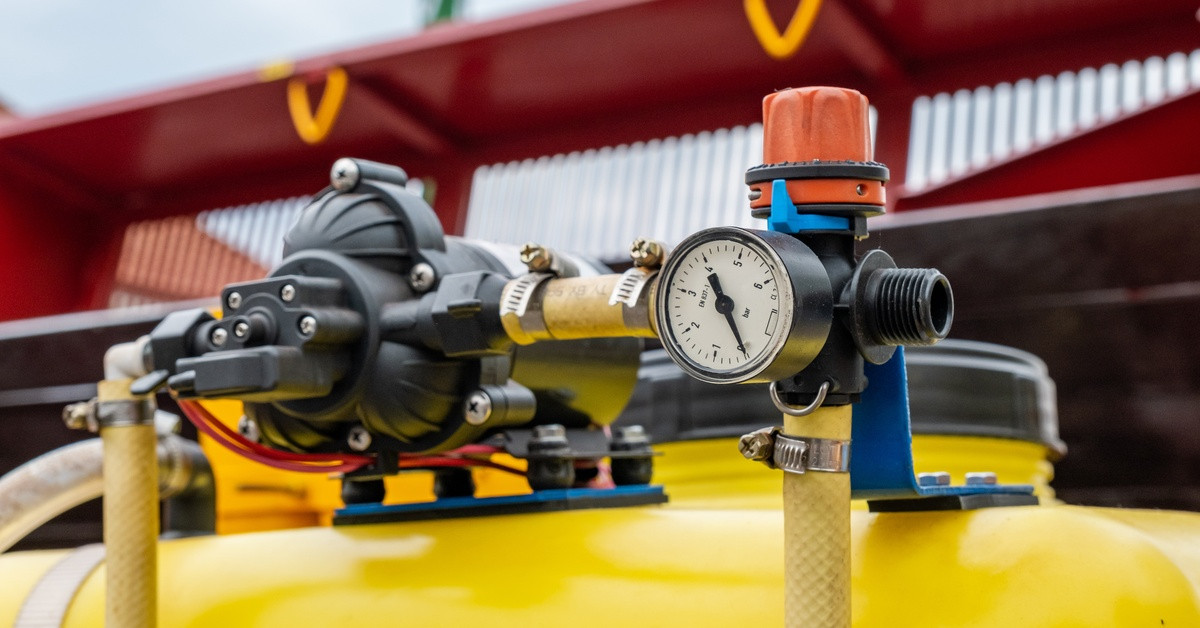
How Regulator Diaphragm Design Impacts Flow Stability
Stable gas flow depends on more than the pressure setting you choose. Inside the regulator, the diaphragm responds to pressure changes and helps the valve adjust gas delivery. Its design affects how quickly and smoothly the regulator reacts to changes in demand.
A well-matched diaphragm helps the regulator hold a steady outlet pressure. A poor match can lead to pressure swings, delayed response, or uneven flow. Those changes can affect instrument performance, gas consumption, and calibration results. Continue reading to explore how regulator diaphragm design impacts flow stability.
Surface Area Shapes Response
Diaphragm size plays a major role in regulator sensitivity. A larger diaphragm generates more force for a given pressure change, allowing the regulator to respond to smaller shifts at the outlet. That response enables tighter pressure control in applications that require consistent flow.
A smaller diaphragm may suit compact systems or higher-pressure conditions, but it can require a larger pressure change before the valve responds. The right scientific gas regulator balances diaphragm area with spring force, valve geometry, and the expected flow range.
Materials Change Performance
Diaphragm material also shapes regulator behavior. Elastomer diaphragms provide flexibility and strong sealing performance, supporting responsive control in many general applications. Metal diaphragms resist gas permeation and handle high-purity or reactive gases with less risk of contamination.
Material stiffness affects how the diaphragm moves under pressure. A stiffer diaphragm may exhibit less travel, while a more flexible diaphragm may respond more readily to small changes. The gas type, pressure range, purity level, and operating temperature should guide the material choice.
Construction Supports Stability
Some regulators use a tied diaphragm design that connects the diaphragm directly to the valve stem. This connection gives the diaphragm stronger control over valve movement and can help close the valve more predictably. Other designs rely on indirect contact, which may produce different response characteristics.
Diaphragm shape, thickness, and support also affect repeatability. Engineers tune these features to reduce hysteresis, limit deformation, and enable smooth movement across the regulator’s operating range. A scientific gas regulator with the right internal balance can maintain steadier flow as cylinder pressure and downstream demand vary.
Match Design to the Application
No single diaphragm design fits every gas system. Low-flow analytical work, instrument calibration, and continuous sampling can place different demands on a regulator. Selecting a scientific gas regulator requires careful attention to inlet pressure, outlet pressure, flow rate, gas compatibility, and purity requirements.
A stable regulator supports reliable gas delivery from the cylinder to the instrument. MESA Specialty Gas can help customers choose specialty gas regulators and calibration gas standards that fit their application, operating conditions, and performance goals.