
Common Errors in Ordering Custom Calibration Gas Mixtures
Ordering calibration gas should feel straightforward, but small details can change the final product, lead time, and performance in the field. When a facility needs a specific blend for gas detection, emissions monitoring, refinery work, or lab instrumentation, the order has to match the application from the start.
A rushed request can create delays before production even begins. Explore the common errors in ordering custom calibration gas mixtures so you can avoid making them.
Leaving Out Key Components
One common mistake involves listing the main target gas but leaving out supporting components. A calibration gas mixture often includes balance gas, trace gases, concentration levels, and cylinder details. When a buyer skips one of those details, the supplier has to pause and confirm the order.
For custom gas mixtures, every component plays a role. The balance gas affects compatibility, while the concentration affects how the instrument responds during calibration. A complete order reduces back-and-forth and keeps the process moving.
Choosing the Wrong Concentration
Concentration errors can create real problems during calibration. Some buyers order a gas level that sits too far above or below the instrument’s expected range. Others confuse percent, ppm, or ppb when they submit the request.
The best order matches the instrument, the calibration procedure, and the environment where the equipment operates. Before placing an order, review the monitor manual, internal procedure, or previous calibration certificate. That step helps the supplier quote and produce the correct blend.
Overlooking Cylinder Size
Cylinder size affects more than storage space. It influences shelf life, portability, gas volume, and replacement timing. A small cylinder may work well for field crews, while a larger cylinder may serve a fixed facility better.
Custom gas mixtures also need the right package for the application. A team that calibrates several instruments each week may need more gas than a crew that performs occasional bump tests. Matching cylinder size to usage helps control waste and avoids last-minute reorders.
Forgetting Valve Connections
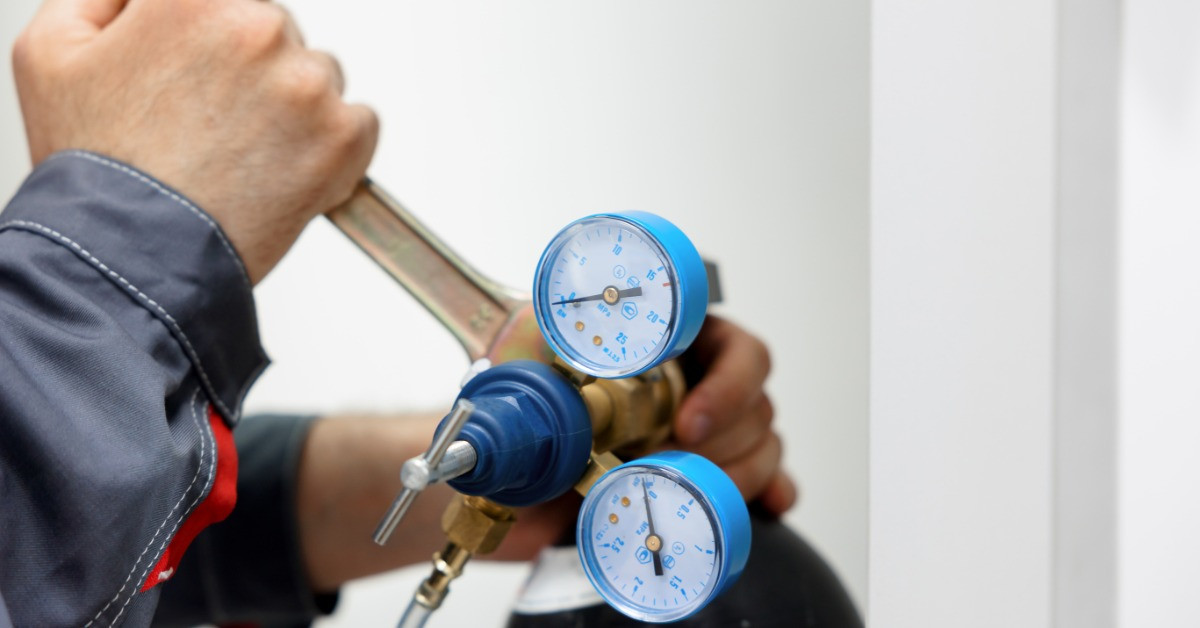
Valve selection can slow down an order when buyers don’t confirm regulator compatibility. Different cylinders may use different valve connections, and the wrong connection can stop a team from using the gas when it arrives.
Before ordering, check the regulator, cylinder type, and connection standard. That simple review helps the supplier match the order to the equipment already in place.
Ignoring Lead Times
Custom gas mixtures require planning. Specialty blends may need extra time for sourcing, blending, analysis, and documentation. Waiting until the current cylinder runs low can create pressure for every team involved.
A better approach tracks usage patterns and reorder points. With that information, buyers can place orders before operations feel the shortage.
Order With Confidence
Accurate calibration starts with accurate ordering and that will happen when you avoid the above common errors when ordering custom calibration gas mixtures. Clear component details, correct concentrations, proper cylinder sizes, compatible valves, and realistic timing all help the process run smoothly.
MESA Specialty Gas supports facilities that need dependable calibration gas standards and knowledgeable service. When your team needs help ordering the right blend, MESA Specialty Gas can help you clarify the details before production begins.