
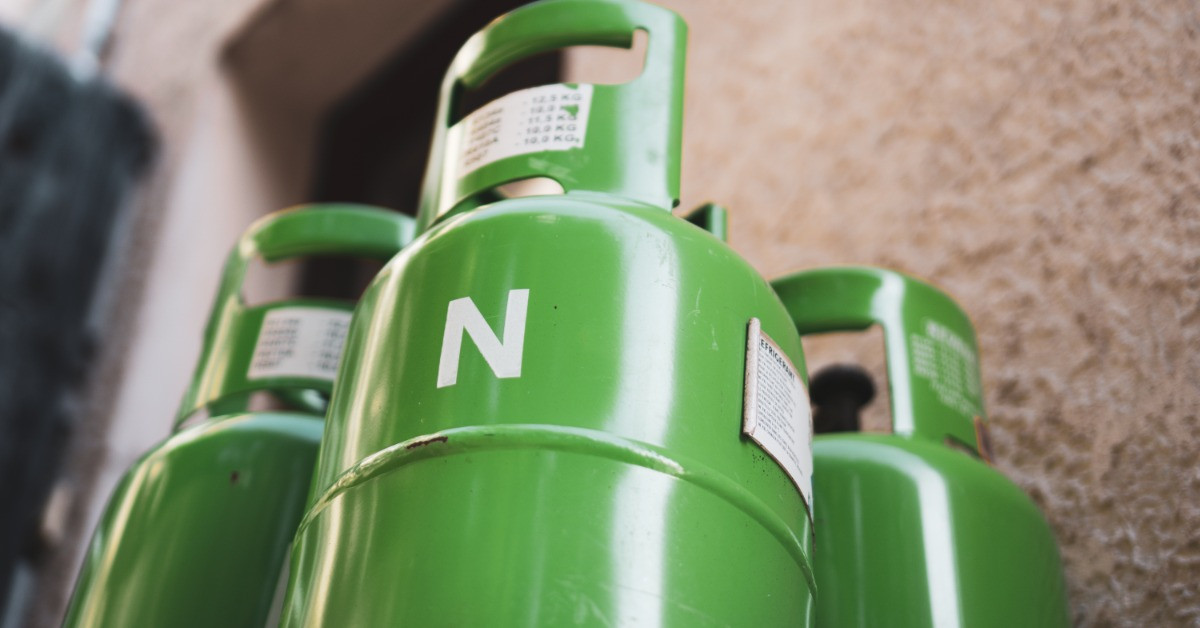
Calibration Gas Canister Valves: CGA vs. DIN Connections
The gas mixture inside a cylinder gets most of the attention, but the valve connection plays a big role in day-to-day use. A good connection supports safe handling, steady flow, and clean delivery from the cylinder to the regulator. A poor match can slow down calibration work and create avoidable frustration.
CGA and DIN connections both help users connect gas cylinders to compatible equipment, but they follow different standards. When teams understand the difference, they can order the right cylinder, select the right regulator, and keep calibration tasks moving without unnecessary delays.
What CGA Connections Do
CGA stands for Compressed Gas Association. In the United States, many gas cylinders use CGA valve connections because they follow established industry standards for compressed gases. These connections help users match gases with proper regulators and avoid unsafe pairings.
A calibration gas canister with a CGA connection may use a specific fitting based on gas type, pressure, or cylinder design. That means users shouldn’t choose a regulator by appearance alone. A close visual match doesn’t always mean the connection fits correctly or supports the intended gas service.
CGA connections appear often in domestic applications, especially when facilities source gases and equipment from U.S.-based suppliers. For many teams, CGA fittings feel familiar because they work with them across gas monitoring, process control, and instrument calibration programs.
What DIN Connections Do
DIN connections come from German standards, and you can often find them in European and international gas applications. Many global suppliers, distributors, and facilities use DIN valve connections because their equipment follows those standards.
A calibration gas canister with a DIN connection needs a regulator designed for that specific connection. Teams that work across regions may run into DIN fittings when they order from international vendors or support instruments in multiple markets. Planning for those differences helps purchasing teams avoid compatibility issues before cylinders arrive.
DIN connections don’t signal lower or higher quality than CGA connections. They simply follow a different standard. The right choice depends on the equipment, location, gas service, and supplier requirements.
How To Choose the Right Connection
Start with the regulator and instrument setup. The cylinder valve must match the regulator connection, and the regulator must support the required flow rate and gas service. Guessing can damage fittings, delay calibration, or create unsafe conditions.
Facilities should also review how they store and reorder gas. A team that uses the same calibration gas canister across several departments may need consistent valve connections to reduce mix-ups. A distributor that supports international customers may need both CGA and DIN options to meet regional expectations.
Keep Calibration Work Moving
CGA and DIN connections both serve the same larger goal. They help users connect cylinders to the right equipment with confidence. The important step comes before the order, when teams confirm the connection style, regulator fit, and application requirements.
MESA Specialty Gas can help customers match calibration gas standards, canisters, and equipment to their operating needs. With the right connection from the start, your team can spend less time troubleshooting fittings and more time completing accurate calibration work.